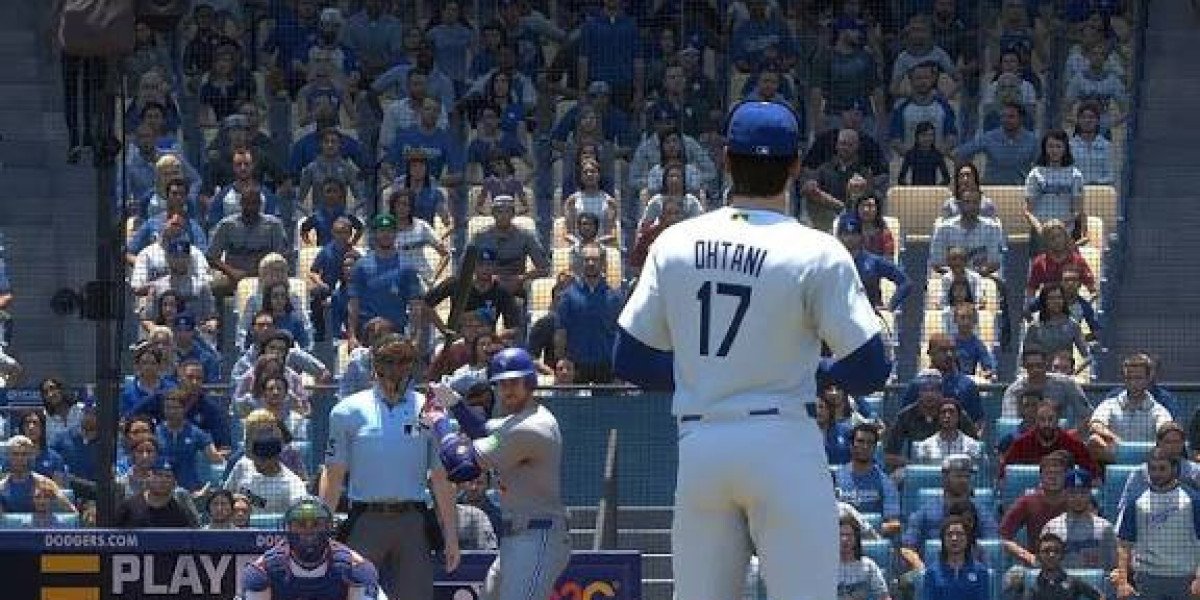

Building a competitive roster in MLB The Show 26 starts with a question more useful than "Who has the highest number?" The better question is which card saves resources, fits your play style, and remains useful across multiple modes. Smart spending on MLB 26 stubs matters most when every purchase supports a clear lineup plan.
Choose Cards That Solve a Roster Problem
A premium hitter is not automatically the best investment. A card becomes valuable when it fills a specific weakness, such as poor defense, limited speed, weak performance against left handed pitching, or a lack of reliable late inning options.
Long term value usually comes from flexibility. A catcher who defends well, a shortstop who covers several positions, or a pitcher with a dependable pitch mix can remain useful after newer cards enter the market. These players may not create the loudest excitement, but they protect your resources because they reduce the need for constant replacements.
Before spending, identify the role you need filled. A power bat is useful when your lineup creates frequent scoring chances, while a contact focused hitter may be better for players who struggle with timing. The right choice depends on how often you reach base, which side of the plate gives you trouble, and whether you play ranked games or spend most of your time earning rewards.
Why Defense and Bench Utility Are Easy to Miss
Many players focus on home run potential and ignore defensive range. That approach can become expensive over a long season. Extra outs created by reaction, fielding, arm strength, and speed often matter more than a small difference in batting power.
A defensive replacement is another underrated option. Most users spend their currency on starting lineup stars, yet a fast reserve with strong defense can protect a late lead and cover several positions. This strategy suits players who regularly play close games, especially those still improving their hitting.
The Best Time to Use the Quiet Options
Defensive specialists provide their greatest return during the middle stage of progression, when top cards are expensive and mistakes are costly. They are also valuable in event formats with restrictions, where a versatile bench player can prevent another roster purchase.
Compare contact and power against both pitching sides before replacing a hitter.
Keep one bench player who offers speed and defensive coverage.
Test a pitcher for release comfort before investing heavily in the card.
Save currency for scheduled roster updates instead of spending every time a new card appears.
Budget Stars Versus Premium Names
A premium card usually offers stronger attributes and a higher performance ceiling, but a cheaper option can provide better resource efficiency. The premium choice suits players preparing for competitive endgame play, while the budget choice is stronger for early progression, offline programs, and event requirements.
| Choice | Best Use | Main Benefit |
|---|---|---|
| Premium slugger | Competitive lineup | High scoring ceiling |
| Budget contact bat | Early progression | Reliable at bats |
| Defensive reserve | Close late games | Extra fielding range |
| Flexible pitcher | Mixed game modes | More matchup options |
For most players, the budget route is the better starting point. It leaves currency available for several roster improvements instead of locking resources into one star. Move toward premium cards only after your lineup has dependable defense, a functional bench, and pitchers you can control consistently.
Plan for Progression Instead of Chasing Every Upgrade
Ratings movement can make a card more attractive, but a temporary rise should not dictate your entire roster. Study the attributes behind the change and ask whether they improve your actual role. A pitcher gaining velocity may still be a poor fit if the delivery is difficult to read, while a hitter with modest power can thrive when the swing path matches your timing.
For endgame preparation, prioritize cards that combine strong attributes with comfortable execution. Keep a reserve of currency for meaningful upgrades, test new players in lower pressure modes, and track which cards produce results over a reasonable sample. When the market shifts, patient players can improve several positions instead of reacting to one headline card.
If you need additional currency for a carefully planned upgrade, buy MLB The Show 26 Stubs only after deciding which role matters most, because a focused purchase supports progression far better than random roster churn.