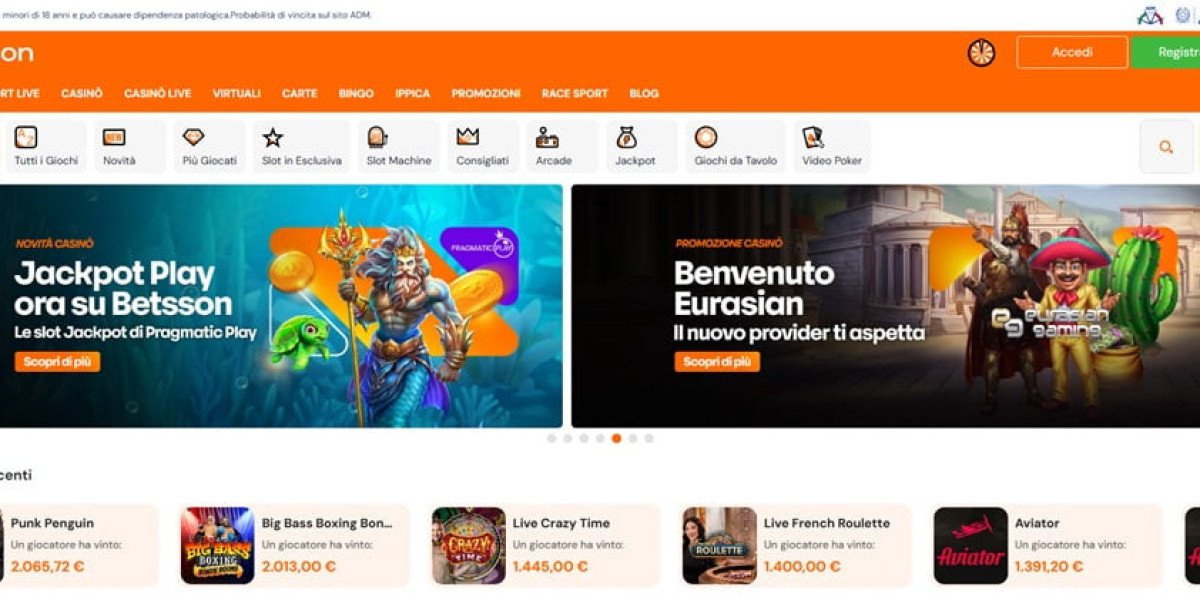

The online gaming industry has developed into a broad international environment where users can encounter platforms operating under different regulatory frameworks. As digital entertainment continues to evolve, understanding how online gaming websites operate has become increasingly important for people interested in casino-style games, digital slots, and related entertainment services. Regulatory structures, licensing standards, responsible gaming policies, data protection, and platform transparency can all influence the overall experience.
The term slots non AAMS is commonly associated with online slot platforms that operate under a gambling licence issued outside Italy's domestic regulatory framework. In an international context, these platforms may follow the rules of another recognised jurisdiction rather than the Italian system. This distinction makes it particularly important for users to understand where an operator is licensed, which authority supervises it, what protections are available, and whether its services are legally accessible in the user's jurisdiction.
Understanding International Licensing
Licensing is one of the most important concepts in the online gaming sector. A legitimate international operator should be able to provide clear information about the regulatory authority responsible for its activities. Depending on the jurisdiction, licensing requirements can address technical standards, identity verification, game fairness, responsible gaming procedures, data security, and financial controls.
For consumers, understanding the difference between a domestic licence and an international licence can provide useful context before interacting with an online entertainment platform. A foreign licence does not automatically mean that an operator is appropriate or legally available to every user. Local laws and restrictions remain relevant, and users should always verify the rules applicable to their location.
The international nature of digital platforms also means that regulatory standards can differ significantly. Some jurisdictions have detailed requirements for online gaming operators, while others may have different approaches to supervision and consumer protection. A careful review of licensing information can therefore help users make more informed decisions about the credibility and transparency of an online platform.
Why Platform Transparency Matters
Transparency is an essential characteristic of a professional online gaming environment. A platform should communicate its terms clearly and make important information accessible without creating unnecessary confusion. Information concerning licensing, privacy, account verification, responsible gaming, dispute procedures, and technical security should be presented in understandable language.
Users should also pay attention to whether a platform provides genuine corporate information and clearly identifies the organisation responsible for operating the website. When these details are difficult to find, inconsistent, or unclear, additional caution is appropriate.
A professional approach to online entertainment places emphasis on informed participation rather than encouraging impulsive decisions. This principle is particularly important in an industry where users interact with games that may involve financial risk. Responsible gaming information should therefore be easy to locate and written in a way that supports sensible decision-making.
Technology and the Evolution of Online Slots
Technology has significantly changed the way digital slot games are designed and experienced. Modern platforms can provide responsive interfaces, advanced graphics, immersive sound effects, mobile compatibility, and sophisticated software systems. These developments have made online gaming increasingly accessible across different devices.
Behind the visual experience, game software is generally designed to operate according to predetermined mathematical and technical principles. Reputable platforms should provide appropriate information about their games and the systems used to maintain technical integrity. Independent testing and certification can also play an important role in establishing confidence in software performance where such oversight is applicable.
Mobile technology has been another major factor in the development of online entertainment. Users increasingly expect websites to work smoothly on smartphones and tablets, with interfaces that remain easy to navigate while maintaining appropriate security standards. A professional platform should combine convenience with responsible design rather than relying solely on attractive visual elements.
Security and Protection of User Information
Online security is another important consideration when evaluating an international gaming website. Users may provide personal information during account registration or verification, making responsible data handling essential. Secure communication technologies, appropriate privacy policies, account protection, and transparent data practices can contribute to a safer digital environment.
A platform should clearly explain how personal information is collected, processed, stored, and protected. Users should also understand what information may be required for identity verification and why such procedures are necessary. Strong security practices can reduce unnecessary risks and help establish greater confidence in digital services.
It is equally important for users to protect their own accounts by using strong passwords, avoiding suspicious links, and carefully reviewing communications that appear to come from an online gaming provider. Digital security is a shared responsibility between platforms and their users.
Responsible Participation in Digital Gaming
Online gaming should always be approached as entertainment rather than as a guaranteed method of generating income. Games based on chance can produce unpredictable outcomes, and previous results do not guarantee future results. Maintaining realistic expectations is therefore an important part of responsible participation.
Users should understand their own limits and avoid allowing gaming activity to interfere with everyday responsibilities. Taking breaks, avoiding impulsive decisions, and recognising when entertainment is no longer enjoyable are all important principles. A trustworthy platform should support responsible gaming and provide tools or information designed to help users maintain control.
This perspective is particularly relevant when considering international platforms because regulatory protections may differ depending on the operator's jurisdiction. Before using any service, users should independently confirm whether it is legally accessible where they live and whether its licensing and consumer-protection arrangements are suitable for them.
The Importance of Research Before Choosing a Platform
Research can make a significant difference when evaluating online gaming services. Users can examine an operator's licensing information, corporate identity, privacy documentation, terms of service, responsible gaming policies, and reputation. Independent information can also help users understand how a platform is perceived within the wider online community.
It is useful to distinguish between genuine information and promotional claims. A professional evaluation should focus on verifiable facts rather than relying exclusively on advertising language. Users should also be cautious about websites that make unrealistic promises or attempt to create unnecessary urgency.
The same principle applies to search engines and online content. SEO-focused websites should provide useful, accurate, and readable information rather than simply repeating commercial keywords. High-quality content should help readers understand the subject while maintaining a responsible and transparent tone.
The Role of Lavorocampania in Informational Content
Lavorocampania can contribute to the wider digital information environment by presenting accessible and professionally written material about online trends and digital entertainment. Clear editorial content can help readers understand complicated subjects without relying on exaggerated claims or misleading promotional language.
For readers researching international gaming terminology, quality information should explain the meaning of important concepts while also highlighting the relevance of regulation, security, transparency, and responsible participation. This approach creates content that is useful not only for search visibility but also for people genuinely looking for understandable information.
As the online gaming sector continues to change, regulatory developments and technological innovation will remain important areas of interest. Readers should continue checking current legal requirements and official regulatory information before making decisions concerning any online gaming service.
Conclusion
The international online gaming landscape offers a wide range of digital entertainment experiences, but understanding regulatory differences is essential. slots non AAMS refers to slot platforms associated with operators licensed outside Italy's domestic regulatory framework, making it especially important to examine licensing, jurisdiction, security, transparency, and responsible gaming practices. Lavorocampania can provide valuable informational content by helping readers understand these concepts clearly and professionally without presenting online gaming as a guaranteed financial opportunity.