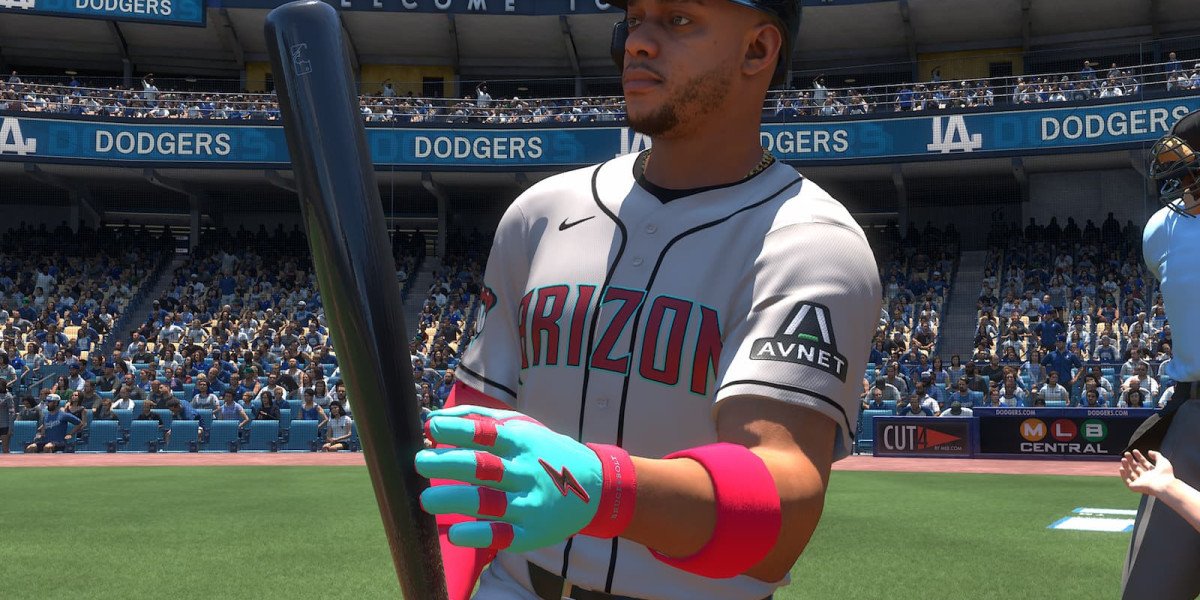

Road to the Show in MLB The Show 26 is more interesting when treated as a career plan instead of a race to the majors. The expanded amateur path, changing objectives, and Hall of Fame direction give early decisions more weight than a single box score. Players deciding how to spend time or MLB 26 stubs should first understand which moments deserve attention, because a flawless statistical line is less valuable than a career that develops a clear identity.
Start With the Career You Want to Build
The high school and college stages now provide more than extra games before the professional route. High school results can affect recruitment, while the choice among up to 19 college programs gives the opening chapter some variation. That makes early performance useful even when it does not look spectacular.
◆ Do not restart after every poor game. A slump or difficult outing can give later improvement real context.
◆ Treat recruitment as part of the story, not simply a search for the most convenient destination.
◆ Choose a player identity with limits, such as a contact hitter with modest power or a pitcher who relies on control and stamina.
This approach prevents progression from becoming a straight line. A player who adjusts after failure usually feels more believable than one who dominates every stage without resistance.
Use Goals Without Letting Them Dictate Baseball Decisions
Short-term goals are useful because the Hall of Fame is too distant to motivate every at-bat. They can provide direction during ordinary games and help connect individual improvement to the larger career. Still, a goal should support the situation rather than replace sound baseball judgment.
A hitter protecting the plate with two strikes should value a productive at-bat over a forced personal target. A pitcher facing the middle of the order needs to consider location, sequencing, stamina, and the score before chasing extra progress. The best objectives are the ones that naturally fit the game already unfolding.
For pitching, effort-based intensity deserves restraint. Extra effort may help in an important count, but using it repeatedly can drain the pitcher sooner and make command harder to maintain. A strong recovery start may feature early contact and efficient innings instead of a long string of strikeouts.
Play the Moments That Shape the Story
Simulation and season fast-forwarding are necessary for a mode built around a full career. Playing every inning would make long-term progress exhausting, but skipping too much can make promotions, slumps, and milestones feel distant.
◆ Play directly during a difficult second start, a role change, or a meaningful promotion period.
◆ Give extra attention to postseason games and milestone opportunities.
◆ Simulate stable stretches once the player's role and performance are no longer uncertain.
The aim is not maximum speed. It is rhythm. Routine games create the contrast needed for a late rally, a key defensive chance, or a tense at-bat against an elite opponent to feel important.
Let Risk Reveal the Player's Personality
Limited control over teammates and game events is one of Road to the Show's strongest features. A defensive mistake, bullpen problem, or sudden comeback can expose how the created player responds under pressure. Those situations are more valuable than scripted dominance because they create consequences.
A steal of home is a good example. The score, outs, pitcher's delivery, catcher position, and defensive awareness should all matter before taking the risk. Success can define a season, but an ill-timed attempt may change the game for the wrong reason. Speed creates the opportunity; judgment decides whether it becomes a smart play.
Build Toward a Legacy, Not Just a Rating
The Hall of Fame objective gives the middle and later seasons a reason to matter after reaching the majors. Awards, milestones, consistency, postseason results, and longevity can shape how the career is remembered. That is especially helpful once the initial excitement of earning a regular role has passed.
Players should judge progress across several seasons rather than focusing only on the highest rating or best statistical year. A power hitter, defensive shortstop, starting pitcher, closer, and base-running specialist should each have a different path to a meaningful legacy.
The smartest way to approach MLB The Show 26 is to protect the career's shape: invest carefully, accept setbacks, play defining situations, and use buy MLB The Show 26 Stubs only when they support a clear plan rather than replacing one. A perfect stat line looks impressive, but an imperfect career with adjustment, pressure, and remembered achievements gives the numbers a reason to matter.

popularne posty