

Introduction
Erectile dysfunction (ED) is a common condition that affects hundreds of thousands of men worldwide. It is characterized by the shortcoming to realize or maintain an erection adequate for passable sexual performance. The prevalence of ED will increase with age, but it may also have an effect on younger men due to various psychological and physiological factors. The event of pharmacological treatments for ED has revolutionized the management of this condition, providing effective options for a lot of males. This report explores the completely different courses of ED drugs, their mechanisms of action, uncomfortable side effects, and concerns for use.
Historic Context
The journey of ED treatment started lengthy before the introduction of modern medications. Traditional treatments included herbal treatments and way of life changes. Nonetheless, the panorama changed dramatically within the 1990s with the introduction of phosphodiesterase sort 5 (PDE5) inhibitors, which grew to become the primary-line treatment for ED. The first of those, sildenafil (Viagra), was approved by the FDA in 1998, marking a major advancement in the administration of erectile dysfunction.
Courses of ED Drugs
ED medications will be broadly classified into a number of categories:
- PDE5 Inhibitors: This class includes sildenafil (Viagra), tadalafil (Cialis), vardenafil (Levitra), and avanafil (Stendra). These drugs work by inhibiting the enzyme phosphodiesterase type 5, which results in increased ranges of cyclic guanosine monophosphate (cGMP) within the corpus cavernosum of the penis. Elevated cGMP levels result in smooth muscle relaxation and elevated blood circulation, facilitating an erection in response to sexual stimulation.
- Alprostadil: This drug will be administered either as an injection immediately into the penis or as a urethral suppository. Alprostadil is a artificial type of prostaglandin E1, which works by dilating blood vessels and selling blood flow to the penis. It is commonly used in instances the place PDE5 inhibitors are ineffective or contraindicated.
- Testosterone Replacement Therapy: In instances where ED is linked to low testosterone levels, testosterone substitute can enhance erectile function. This may be administered via injections, patches, gels, or pellets.
- Other Agents: Different treatments include the usage of vacuum erection gadgets, penile implants, and intraurethral medications. While these will not be pharmacological treatments in the identical sense as the aforementioned drugs, they're important choices for males who don't respond to oral medications.
Mechanism of Motion
The primary mechanism of motion for PDE5 inhibitors includes the enhancement of nitric oxide (NO) signaling within the penis. Sexual stimulation results in the release of NO, which activates guanylate cyclase, rising cGMP levels. PDE5 inhibitors prevent the breakdown of cGMP, permitting it to accumulate and prolong its effects. This leads to improved blood movement and the power to achieve and maintain an erection.
Efficacy
Clinical research have demonstrated the efficacy of PDE5 inhibitors in treating ED. For example, sildenafil has shown a success price of about 60-70% in men with varied underlying causes of ED. Tadalafil, which has a longer half-life, allows for more spontaneity in sexual activity and has been proven to be efficient for up to 36 hours after administration. If you liked this information and you would like to get even more details regarding Pacificllm kindly browse through our webpage. The choice of medicine usually is determined by particular person preferences, side effect profiles, and the frequency of sexual activity.
Uncomfortable side effects
While ED drugs are typically effectively-tolerated, they can cause unwanted side effects. Common negative effects of PDE5 inhibitors include:
- Complications
- Flushing
- Dyspepsia (indigestion)
- Nasal congestion
- Dizziness
- Visible disturbances (particularly with sildenafil)
Considerations to be used
Before prescribing ED medications, healthcare suppliers ought to conduct a radical evaluation of the patient’s medical historical past, present medications, and underlying health conditions. Sure conditions, resembling severe cardiovascular illness, uncontrolled hypertension, or a history of stroke, might warrant warning or avoidance of these medications. Moreover, way of life modifications, including weight reduction, smoking cessation, and increased physical activity, must be encouraged as a part of a comprehensive method to managing ED.
Psychological Components
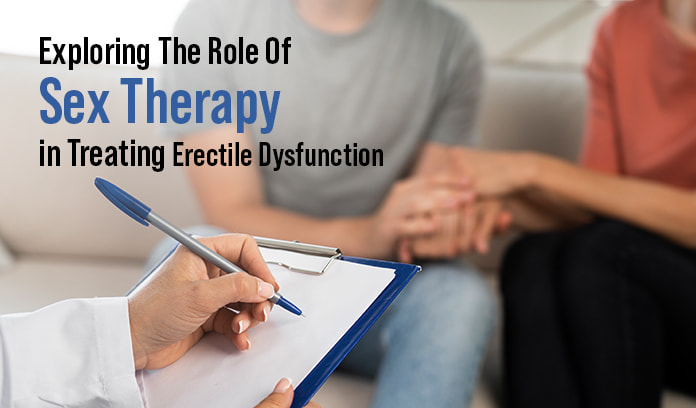
It is important to recognize that ED can have important psychological parts. Anxiety, depression, and relationship issues can contribute to or exacerbate erectile dysfunction. Due to this fact, a multidisciplinary strategy that features counseling or therapy may be helpful for some patients. Addressing these psychological elements can improve treatment outcomes and total sexual satisfaction.
Future Instructions
Analysis into ED treatments continues to evolve. Newer brokers, equivalent to soluble guanylate cyclase stimulators and neurostimulation therapies, are being investigated. Additionally, there is ongoing research into the role of stem cells and gene therapy within the treatment of ED. As our understanding of the condition deepens, extra personalized and efficient treatment options are more likely to emerge.
Conclusion
Erectile dysfunction is a prevalent condition that may considerably impression a man's quality of life. The advent of ED drugs, significantly PDE5 inhibitors, has offered effective treatment options for many males. While these medications are typically safe and efficient, it is crucial for healthcare providers to think about particular person affected person factors and to undertake a holistic approach to treatment. As analysis continues, the way forward for ED administration holds promise for much more innovative and effective therapies.